Striveworks · MLOps · Technical B2B · 3 min read
Making machine learning training legible to the people who run it
Striveworks is a B2B MLOps platform for data scientists and ML engineers. I led UX concept development for a new model training module, exploring how to keep expert depth while making high-stakes, metric-heavy workflows scannable.
- My role
- UX Designer — concept development, wireframing, stakeholder validation
- Team
- Internal stakeholders and ML engineers
- Timeline
- Concept engagement
- 3 flows
- Initiate, monitor, and compare training runs
- Modular
- Patterns designed to scale across the platform
- Concept
- Delivered as a blueprint for engineering
The problem
Configuring training jobs, tuning hyperparameters, selecting datasets, and reading accuracy, loss, and drift are intricate and high-stakes tasks. Usability friction here directly costs model quality and time to deployment — but simplification risks stripping the control experts need.
Goals — depth without overwhelm
- Simplify setup and monitoring of ML training jobs
- Support technical depth without overwhelming the user
- Improve clarity of data and feedback through visual hierarchy
- Ensure flexibility and scalability through modular patterns
Wireframing three core flows
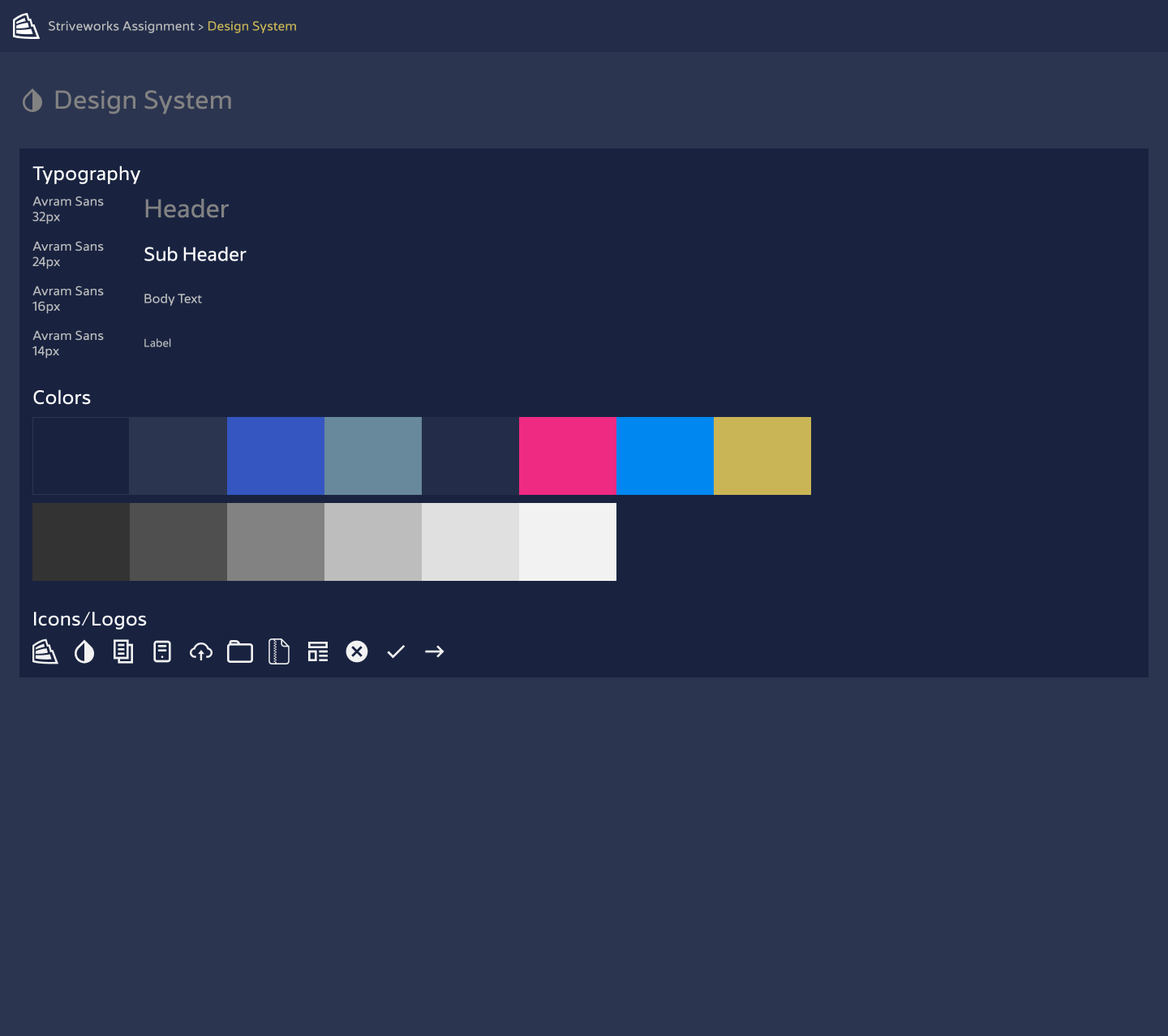
I developed low-fidelity wireframes in Figma across the flows that carry the most risk, applying design system principles, usability heuristics, and data visualisation best practice to metric-dense screens.
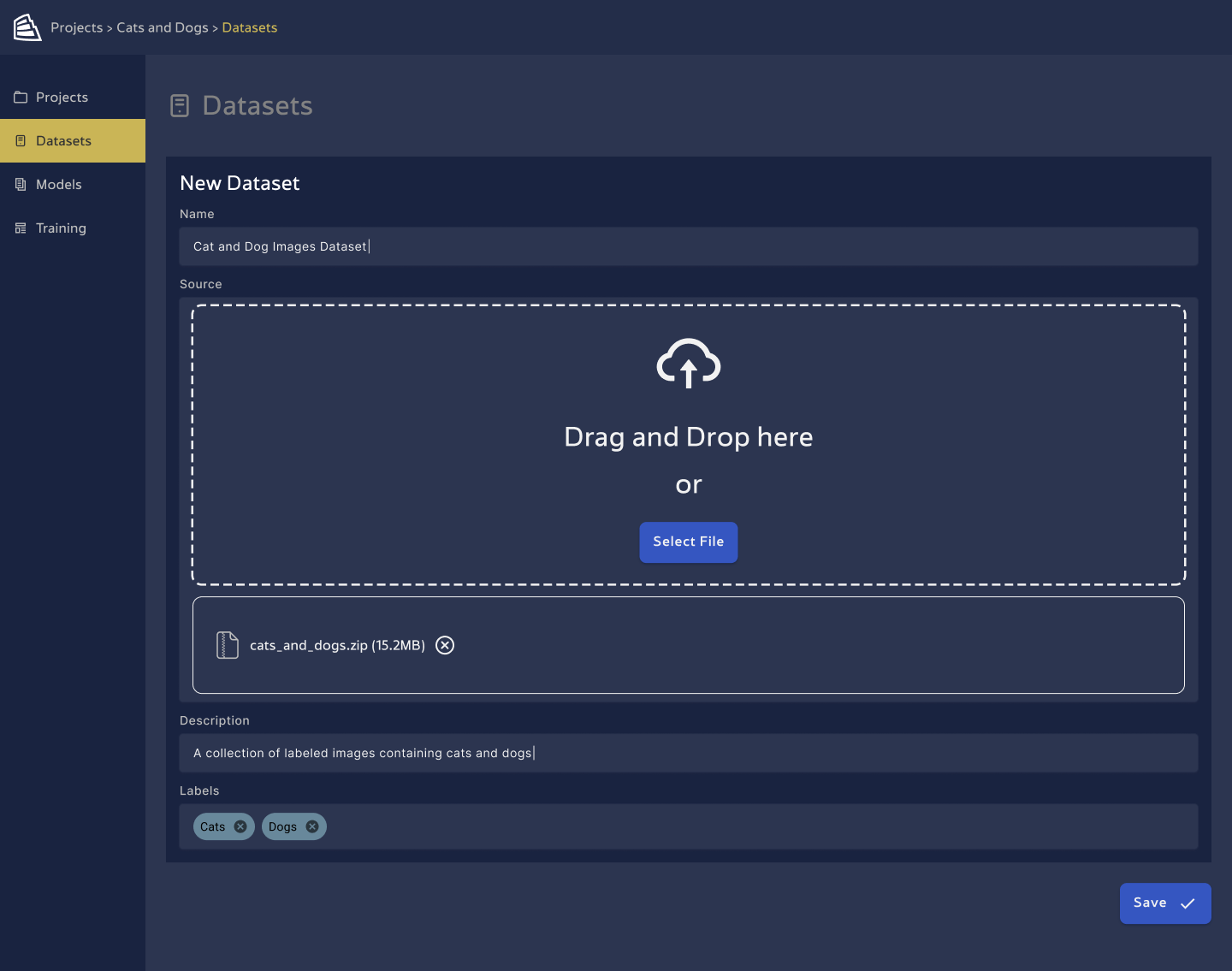
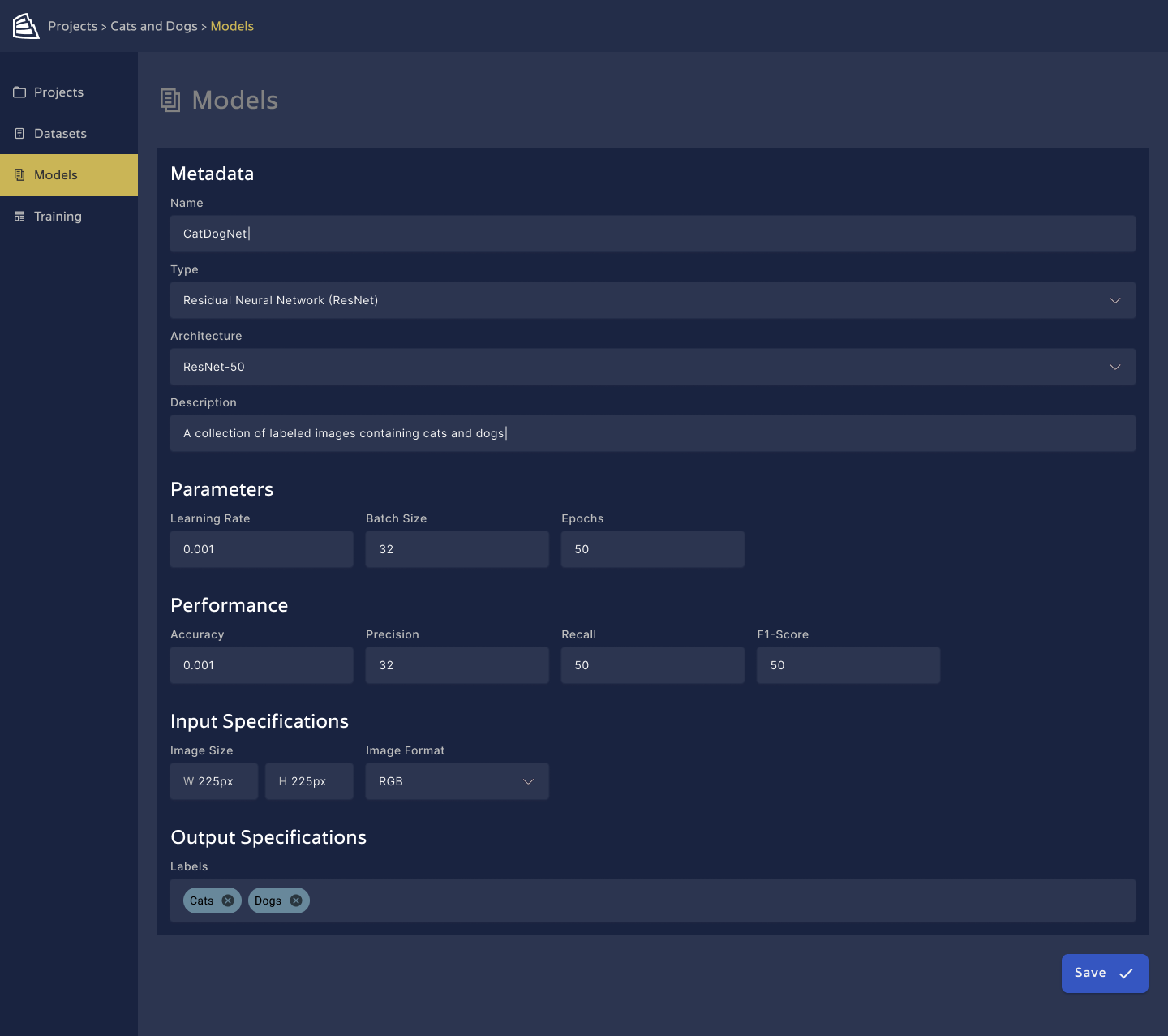
- Initiating a job: dataset selection, parameter configuration, launching experiments
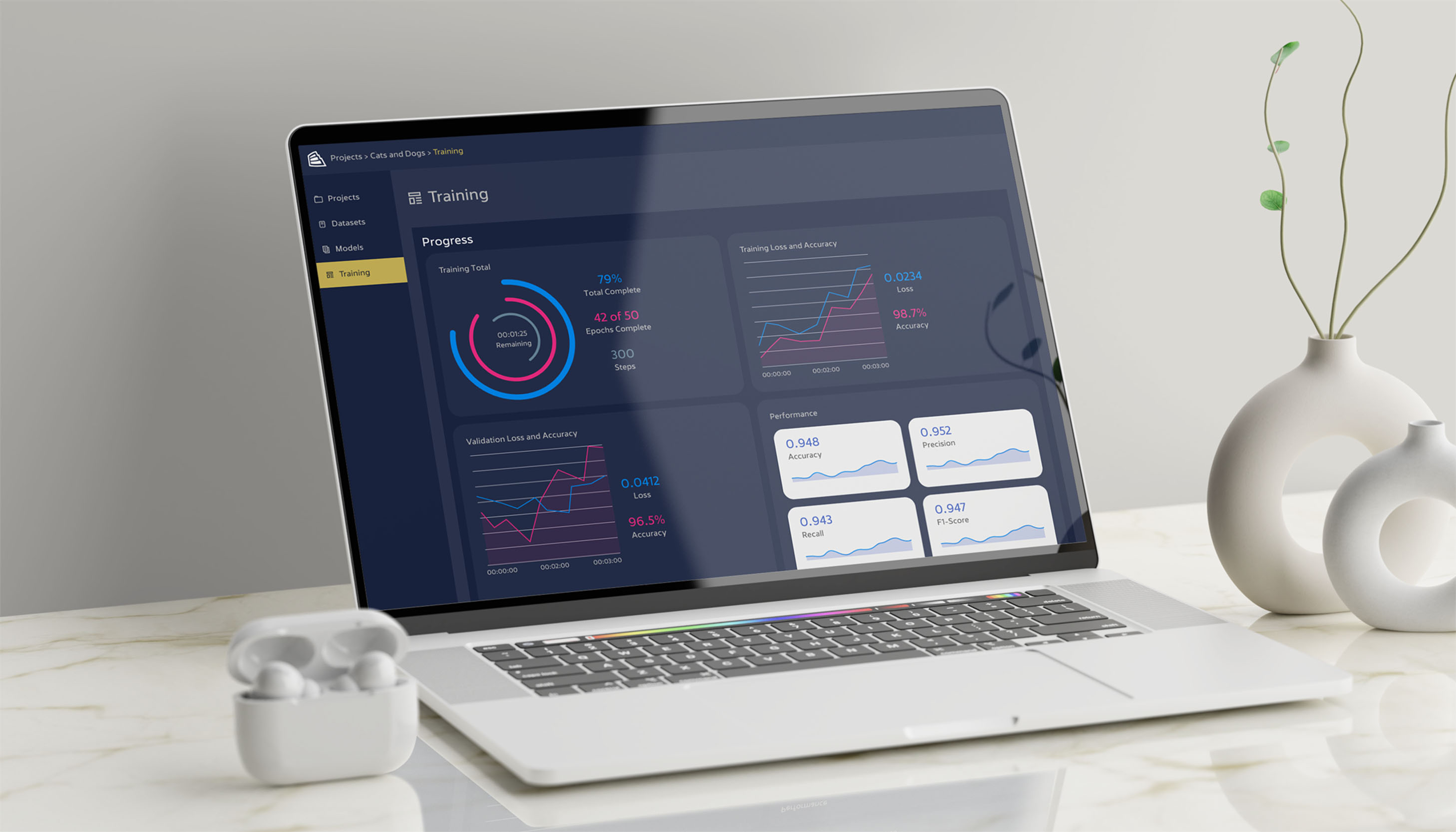
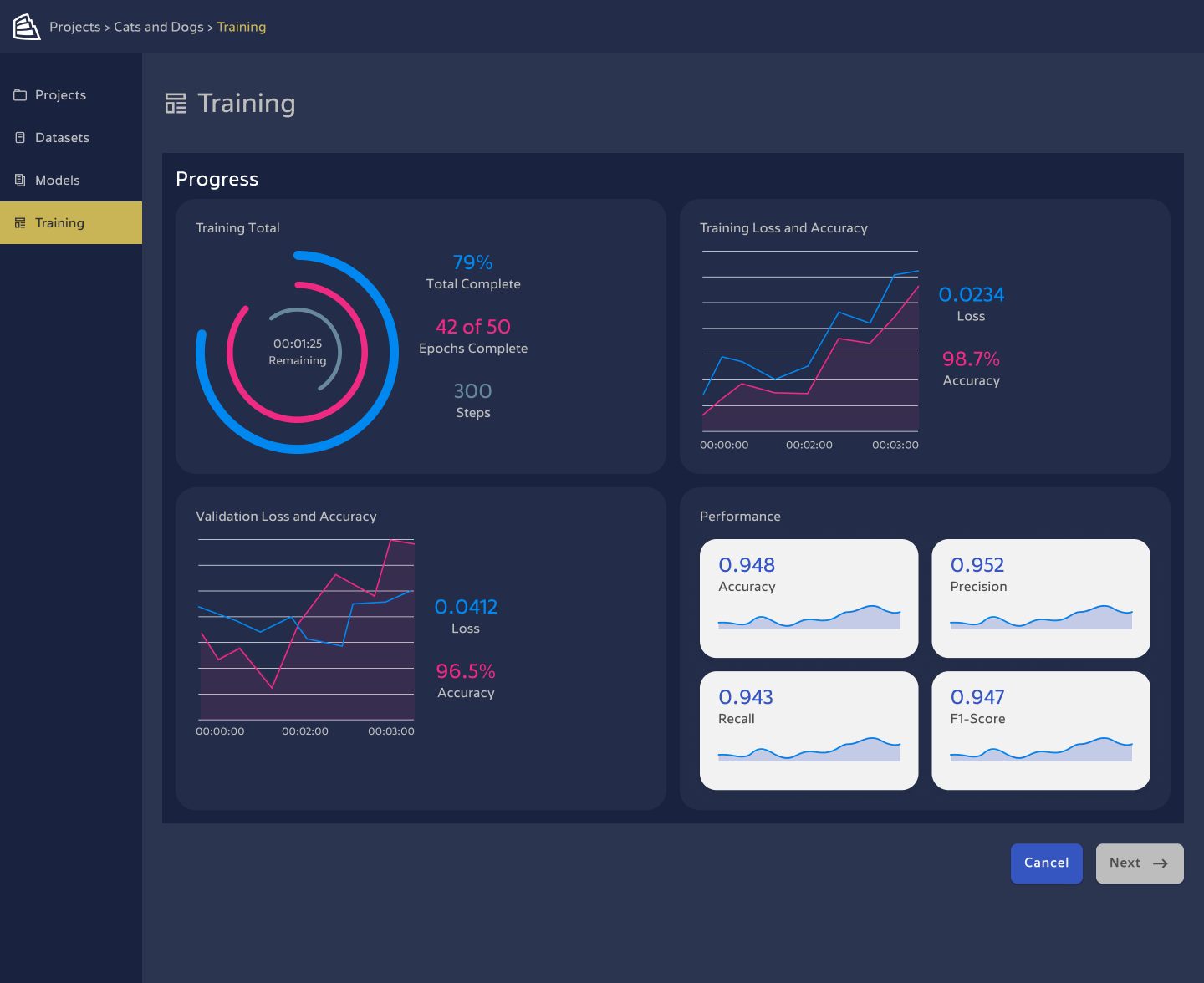
- Monitoring progress: real-time status with performance charts and logs
- Exploring results: comparing model versions, loss curves, and accuracy
Feedback & iteration
Early concepts went to internal stakeholders and engineers to validate assumptions. Their input reshaped layout structure for scanning, terminology to match user mental models, and interaction patterns for adjusting parameters and launching jobs.
Outcome
- A clear UX direction for the ML training module, validated with engineers
- Usability improved without compromising expert control
- Modular wireframes usable as an engineering blueprint
What I took from it
Striveworks showed me that in technical platforms, clarity is a form of control: when status, metrics, and parameters are easy to scan, experts move faster and make fewer costly mistakes. I now start complex tools with modular, low-fidelity patterns that engineers can react to early, so the UX vision and the build stay aligned from the first concept onward.